Sadaf Bader, the General Manager of IHF Digital, presented on the topic of The Next Step in Intelligent Asset Monitoring: Protecting People Through “Predictive Maintenance” at the RIA AI, Data & Intelligent Asset Monitoring Member Interest Group: October 2026.
The event was held at the Railway Industry Association (RIA) office in Leeds, England on the 20th of October with the theme “From Promise to Practice”. Bringing RIA members together to discuss the latest developments, opportunities and challenges in the evolving policy, technology and regulatory landscape. The overall session explored how strong data foundations are enabling AI adoption across the railway. The key points of Sadaf’s presentation were:
Asset Monitoring
- For decades, the rail industry has invested in technology to tell us when assets need attention.
- Bearings, motors, rails, signalling equipment, rolling stock and other critical infrastructure can now be continuously monitored using AI and predictive analytics to identify deterioration and prevent failures before they occur.
The Human Asset
- Yet the most valuable — and most vulnerable — part of every railway system, the human being, is still largely assessed through subjective judgement or only after something has gone wrong.
- What if the same predictive philosophies were applied to protecting people?
- Not to monitor them more, but to understand when they need rest, recovery or support before fatigue and heat stress compromise safety.
“Predictive Maintenance” to Protect People
- Used ethically and in a non-punitive way, objective human performance data can be combined with traditional asset intelligence to provide a more complete picture of operational risk.
- Protecting not only individual workers, but also their colleagues, passengers and the wider public.
- Perhaps the next evolution of Intelligent Asset Monitoring is not just predicting when machines need maintenance, but recognising when people need support?
- If AI can tell us when a train needs servicing, shouldn’t it also help us know when the person operating or maintaining it needs a break (before safety is compromised)?
Recent Accidents and Incidents
The risks of worker fatigue in rail have been highlighted again in recent accidents, incidents and investigation reports:
- RAIB 09/2025 investigation report: Buffer stop collision at London Bridge station.
- Safety Investigation Authority, Finland R2024-02 investigation report: Collision on tram line 15 in Espoo on 15 November 2024 and other accidents and incidents on the same tram line in 2023-2025.
- San Francisco Municipal Transportation Agency (SFMTA) operator fatigue incident in 2025.
- San Francisco Municipal Transportation Agency (SFMTA) operator fatigue incident in 2026.
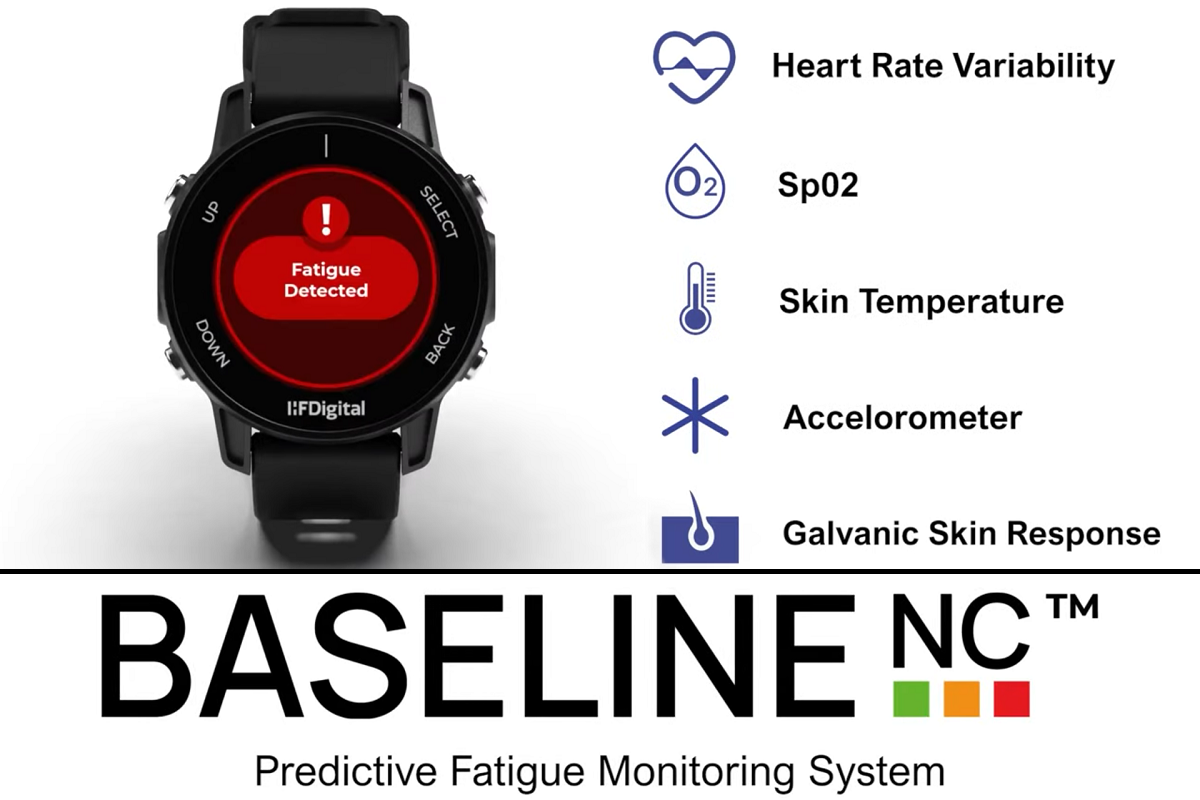
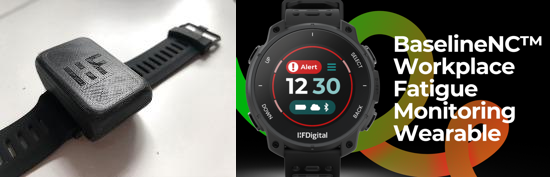
Evolution of the BaselineNC™ Workplace Fatigue Monitoring Wearable
Beginning as the Driver Innovation Safety Challenge (DISC), through to FOCUS+ and now BaselineNC, the project has seen the collaboration of academia, medical experts and industry to develop a world leading workplace fatigue monitoring system that can help save lives, reduce risk and deliver efficiencies in public transport but also across other industry sectors and safety-critical job roles.
First Prototype (Left) and Latest Version (Right)
Leading to a wider EIT Urban Mobility funded project involving Edinburgh Trams, DKV Debreceni Közlekedési Zrt. and Edinburgh Napier University, providing valuable data on how the system functions across different modes of public transport.
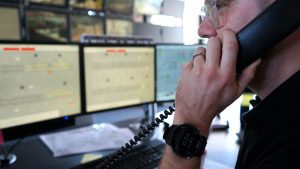
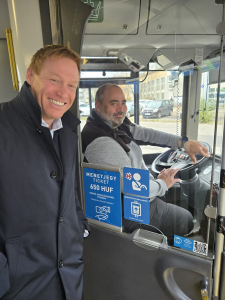
Recent evolutions include the development of Android™ and iOS® mobile applications, improvements to real-time dashboard visualisations and the development of AI-powered data analysis and insights functionality.
BaselineNC is also now part of the AVEVA™ Partner Ecosystem, supporting the protection of the human asset by further enabling the “human sensor” with a “predictive maintenance” approach.
The BaselineNC Workplace Fatigue Monitoring Wearable has also been featured as part of the EIT Urban Mobility Impact Stories series: Wearable technology for human error prevention in transportation
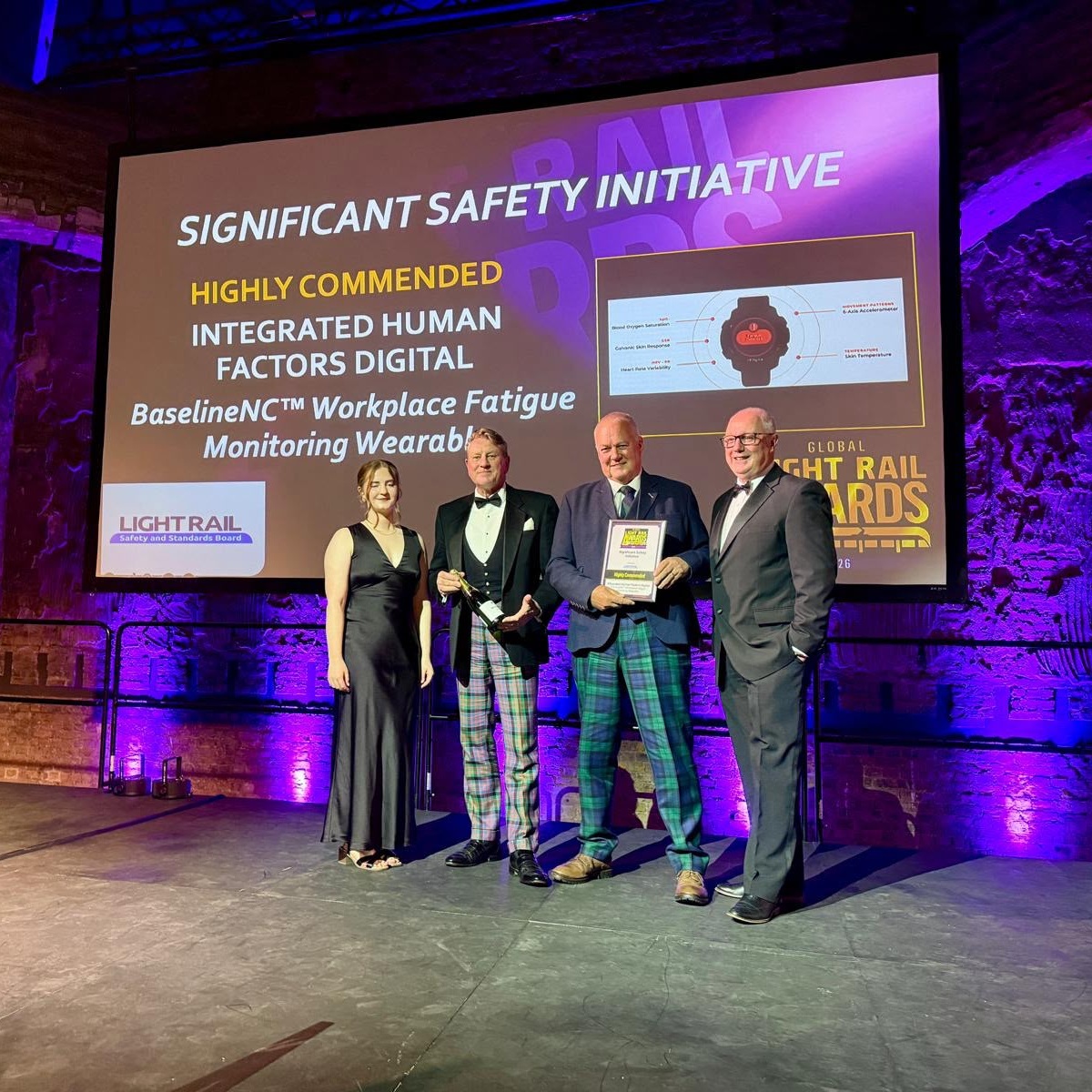
Additionally, IHF was selected over 113 organisations to deliver the initial DISC contract and BaselineNC was shortlisted as part of the CBRE Innovation Challenge 2026 — as a straight finalist from 290 submissions — based on its client value, ROI potential, market differentiation and ease of implementation. Furthermore, BaselineNC was Highly Commended in the Global Light Rail Awards 2026 Significant Safety Initiative Category.