Human-Orchestrated Intelligence (Human-OI™)

You are here:
Accelerating your transition to Human-OI™ in risk-adverse industries.
Why responsible artificial intelligence (AI) adoption and integration is a human factors problem, and how IHF can help with this transition in risk-adverse operations.
Request a Consultation

Warning: A “Human-in-the-Loop” Is Not, by Itself, a Control

Every board IHF sit in front of is chasing AI integration. However, they are often buying tools without fully considering post-rollout implications, with one of the main considerations being the safety-critical design of the human role around them. The instinct, when someone raises risk, is to say, “we’ll keep a Human-in-the-Loop”. That phrase is doing a lot of unearned work. A human bolted onto a workflow after the fact is not oversight, it is the traditional human factors pitfall. Regulators are starting to say the same thing. For example, Regulation (EU) 2024/1689, Article 14 requires that high-risk AI systems are designed so they can be "effectively overseen by natural persons”. It further requires that human overseers can understand the system's capabilities and limitations, monitor its operation, interpret its outputs, disregard or override those outputs and intervene or stop the system where appropriate. Having a person watch a system is not the same as that person being able to detect, understand and correct it in time. This is particularly true when we consider what the human is working from — and with — to provide this assurance. That gap, between the promise of oversight and the reality of it, is exactly what human factors has spent decades closing in aviation, defence, healthcare, nuclear, oil and gas, pharmaceuticals and other risk-adverse industries.

Human-AI Interaction (HAX) and Integration

AI integration is not a new problem. It is the oldest problem in the human factors discipline, wearing a new coat: a human being asked to supervise, trust and intervene in a system with more processing capacity in a fast-paced environment. In other words, the most valuable yet most vulnerable component of our system — us the human — is being asked to govern at times the most capable with the most capacity. Workload, situational awareness, skill fade, complacency, trust calibration, error probability, competence and training design. Every one of these has a proven, applied methodology behind it.

"What is missing from the AI conversation is not more AI expertise. It is the discipline that already knows how to put a human into a system safely and make that placement demonstrable to a regulator, board and/or court.”"

Introducing: Human-Orchestrated Intelligence (Human-OI)
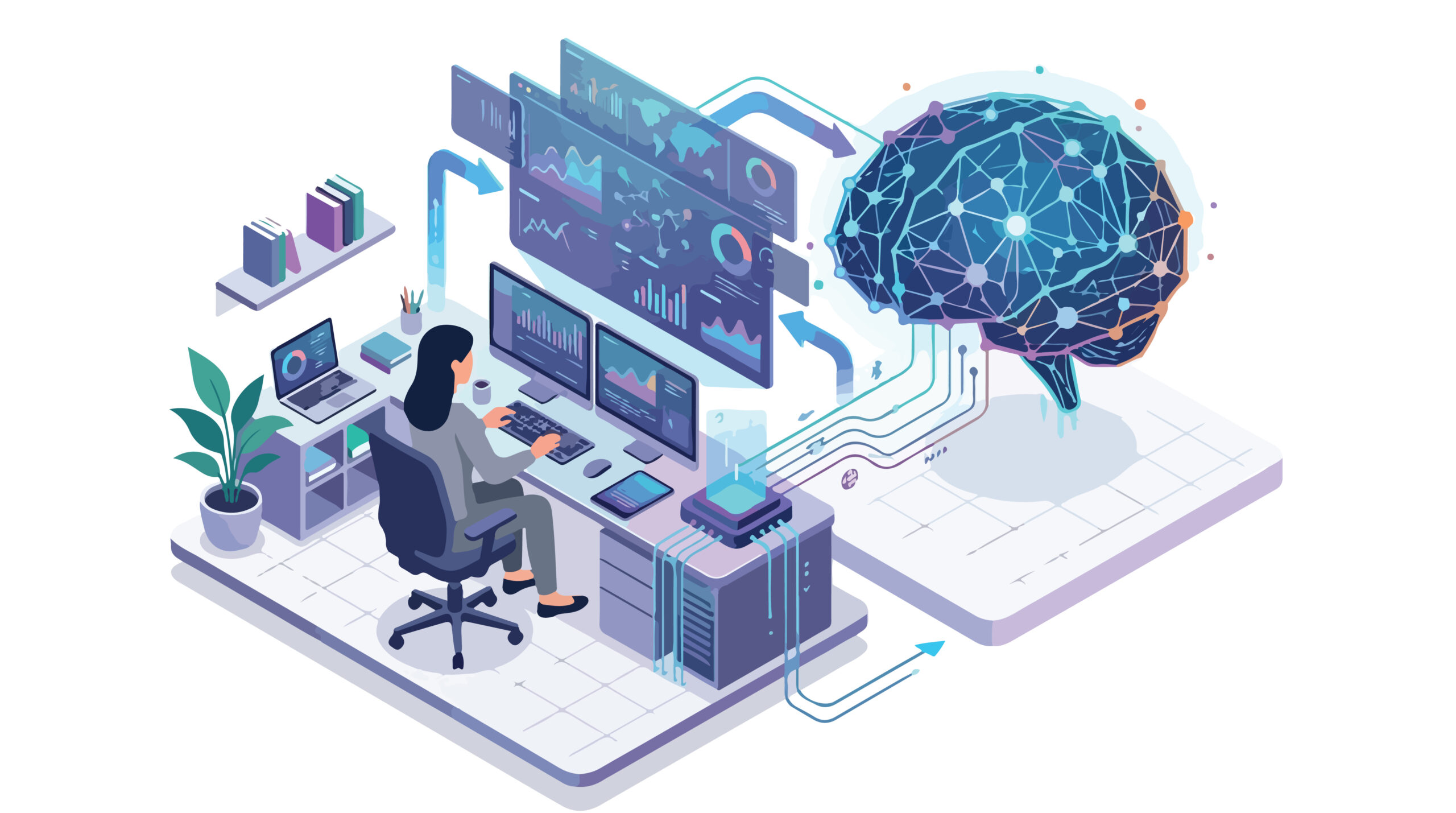
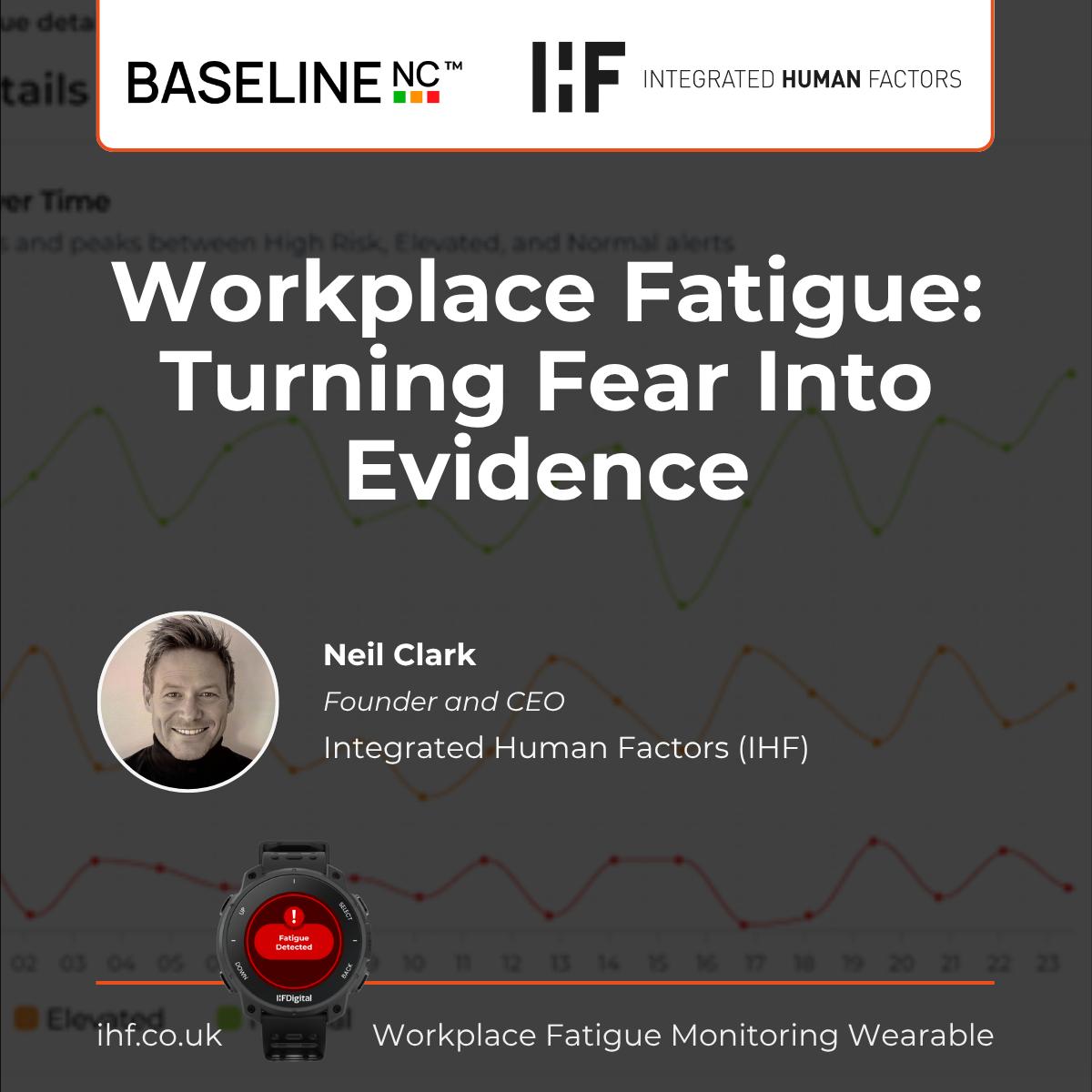
Human-Orchestrated Intelligence (Human-OI) is IHF’s service line for making AI adoption defensible, safe, effective and aligned to the outcomes organisations in risk-averse industries need (and not just the outcomes AI vendors promise). It transforms “we must do something with AI, go and find a problem” to “we have a problem, how do we best apply AI with full human orchestration considerations”. As a registered Chartered Institute of Ergonomics and Human Factors (CIEHF) consultancy, IHF supports organisations in designing new and improving existing AI systems with Human-OI that are intuitive, error-resilient and regulator ready. For example, working to recognised standards and guidance factors for UI and UX design including BS EN ISO 11064, IEC 62366-1:2015, IEC 62682:2022 and ISO 9241-210:2019. IHF are also developers of human factors digital solutions including pragmatic software and technology with AI-powered data analysis and insights functionality such as the BaselineNC™ Workplace Fatigue Monitoring Wearable.

Human-OI takes the human factors tools IHF and our clients already use every day and points them at AI-augmented work such as:

Hierarchical Task Analysis (HTA)

HTA of AI-augmented workflows, to define exactly where a human decides, checks or overrides, and where they currently do not (but should).

Human Error Assessment and Reduction Technique (HEART)

HEART of AI oversight tasks, to quantify where an operator is likely to miss, misjudge or defer to a wrong AI output (and why).

Functional Resonance Analysis Method (FRAM)

FRAM systemic analysis of how AI performance variability resonates through the wider organisation, surfacing failure modes no single team owns.

Organisational Maturity Assessment

Benchmarking how ready a business genuinely is to integrate AI responsibly — against structure, competence and learning loop — not just tooling.

Training and Competence Design for AI Oversight Roles

Ensuring the Human-in-the-Loop (HITL) can do the job, and the organisation can evidence this competence.

"The Human-OI output is not a policy document. It is a workforce and a workflow that can withstand scrutiny from a regulator, from a customer and from the next incident review."

The human factors discipline invented HITL design before the phrase existed. Human-OI is IHF bringing that discipline — and the evidence base behind it — into the AI conversation that every one of our clients is already having, accelerating their transition to Human-Orchestrated Intelligence.
IHF is not asking organisations to slow down AI adoption. We are giving them Human-OI to speed it up. Without losing control.

What Is Your Current Human Factors (HF) Maturity Level?

The Haitch-F™ Human Factors Maturity Assessment is designed to provide a valuable starting point for understanding your current HF maturity to help you identify opportunities for improvement.

Ready to accelerate your transition to Human-OI?