Fatigue Does Not Announce Itself
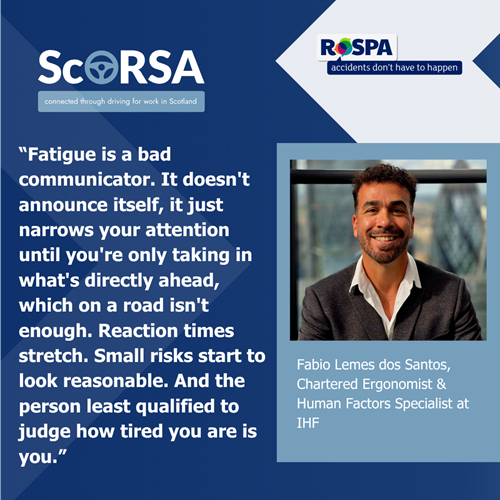
Fatigue is deceptive. It sneaks up on you, rarely arriving with a warning. Instead, it develops over time, subtly affecting attention, awareness and decision making long before it becomes obvious. Most people do not realise fatigue is affecting them until after their performance has started to decline. Yet, in safety-critical environments, those small changes can have significant consequences. In many safety-critical environments, fatigue is still treated as something people should “know” is emerging or happening. This can lead to the dangers of self-assessed fatigue and the stigma attached to self-reporting fatigue. Most people do not wake up and think:
“Today I’ll make a poor decision because I’m fatigued.”
The reality is far more subtle. Fatigue does not always feel obvious. It can develop gradually, influencing attention, reaction times, judgement and situational awareness long before someone recognises they are tired. Fatigue can affect factors such as:
- Attention
- Decision Making
- Situational Awareness
- Increased Risk of Accidents and Injuries
- Productivity Levels
- Increased Safety Breaches
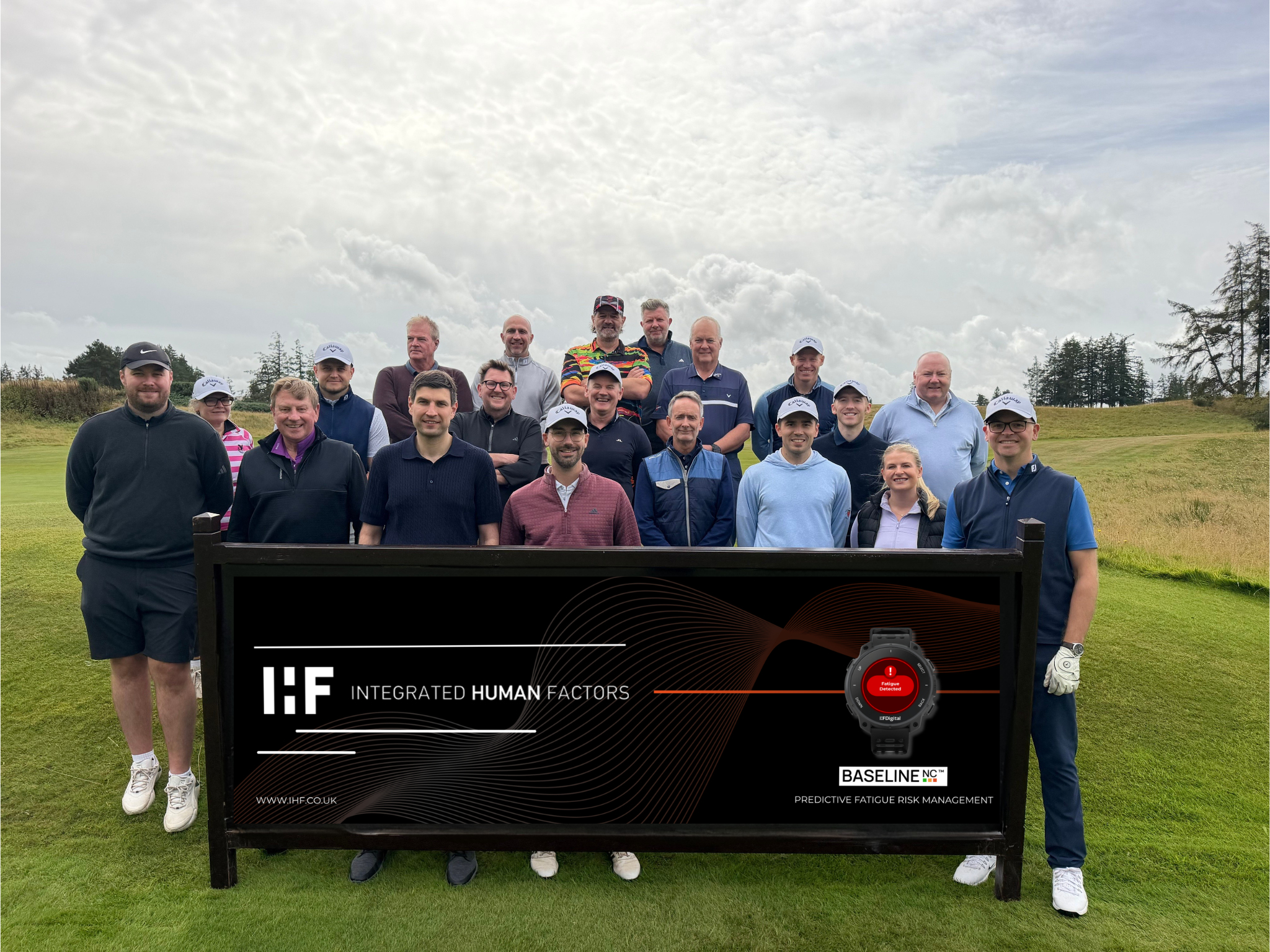
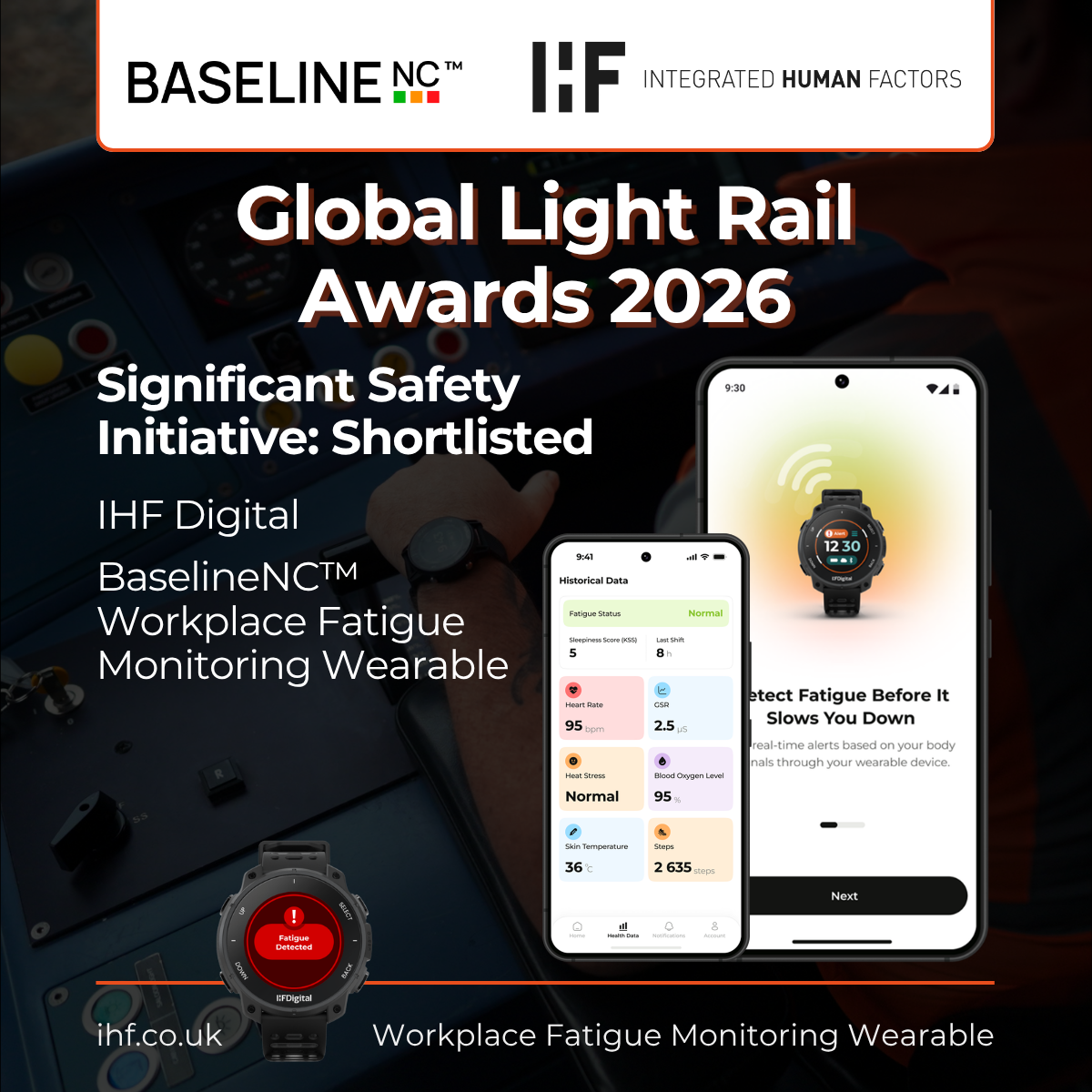
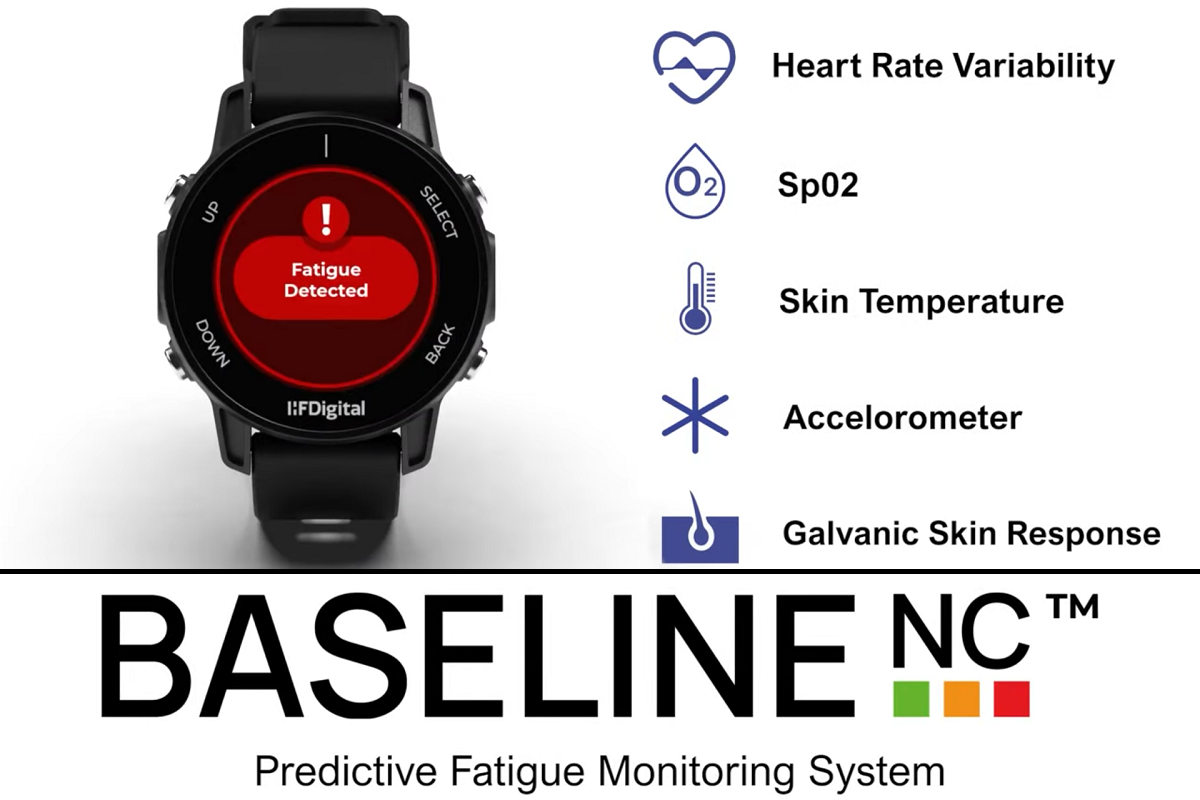
And this is just scratching the surface…fatigue is a silent, ever-present risk. The challenge is that someone can look completely alert while their performance is already being impacted. That is why organisations are exploring more objective and proactive approaches to fatigue risk management. They want to detect fatigue risk before it visibly emerges. Using five biometric markers and personalised baselines, BaselineNC™ helps organisations identify changes associated with fatigue risk before performance is affected:
The Evolution of BaselineNC
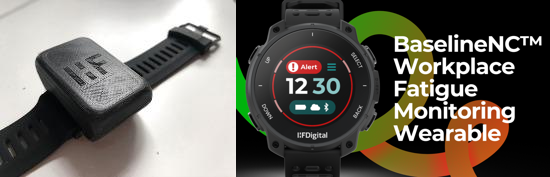
Beginning as the Driver Innovation Safety Challenge (DISC), through to FOCUS+ and now BaselineNC, the project has seen the collaboration of academia, medical experts and industry to develop a world leading workplace fatigue monitoring system that can help save lives, reduce risk and deliver efficiencies in public transport but also across other industry sectors and safety-critical job roles.
First Prototype (Left) and Latest Version (Right)
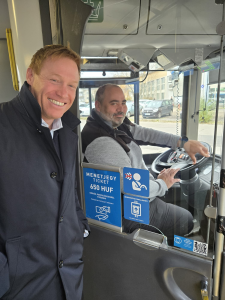
Leading to a wider EIT Urban Mobility funded project involving Edinburgh Trams, DKV Debreceni Közlekedési Zrt. and Edinburgh Napier University, providing valuable data on how the system functions across different modes of public transport.
Recent evolutions include the development of Android™ and iOS® mobile applications, improvements to real-time dashboard visualisations and the development of AI-powered data analysis and insights functionality.
BaselineNC is also now part of the AVEVA™ Partner Ecosystem, supporting the protection of the human asset by further enabling the “human sensor” with a “predictive maintenance” approach.
The BaselineNC Workplace Fatigue Monitoring Wearable has also been featured as part of the EIT Urban Mobility Impact Stories series: Wearable technology for human error prevention in transportation
Additionally, IHF was selected over 113 organisations to deliver the initial DISC contract and BaselineNC was shortlisted as part of the CBRE Innovation Challenge 2026 — as a straight finalist from 290 submissions — based on its client value, ROI potential, market differentiation and ease of implementation.