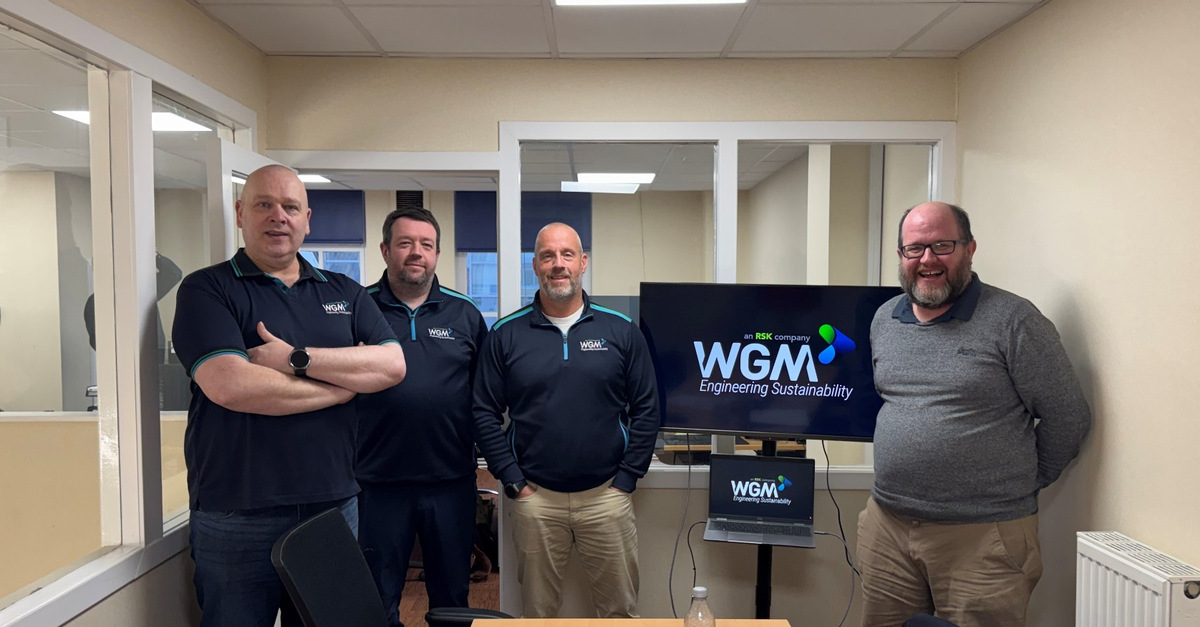
Andrew Grant, Jamie West and William Twiney from IHF exhibited at the Transport for London (TfL) Platform Train Interface (PTI) Summit 2025 on the 25th of November.
The case studies presented — that included the effective use of operational data insights — at the summit clearly evidenced the commitment to managing and mitigating risk at the PTI in support of achieving the Mayor of London’s Vision Zero strategy that “sets out the goal that, by 2041, all deaths and serious injuries will be eliminated from London’s transport network.”
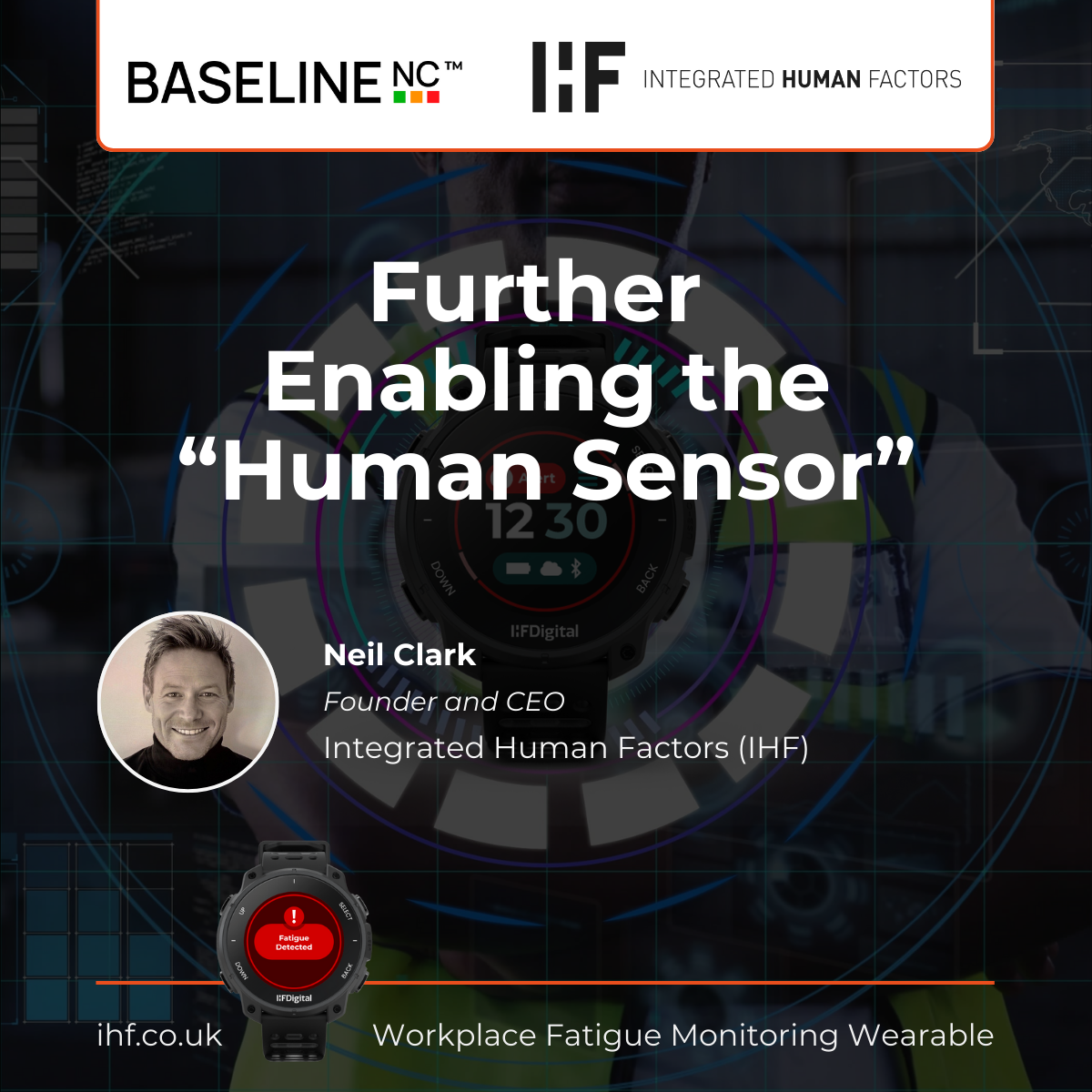
IHF would like to thank TfL for the invitation to attend and exhibit the BaselineNC™ workplace fatigue monitoring wearable at this event and were encouraged by the excellent discussions and interest sparked by the “human sensor” approach to managing workplace fatigue in safety-critical task environments.
This approach utilises real-time biometric data monitoring — with 98% accuracy — to enable the detection and prediction of fatigue in relation to each worker’s fatigue baseline. Enterprise-wide monitoring of objective fatigue risk management data enables safety-critical control room alerts, dashboards and longitudinal operational insights for senior leadership. Allowing for preventative interventions to ensure the well-being and safety of workers and the integrity of the service they are responsible for delivering.
Importantly, it was also highlighted during this summit that safety is a moral obligation on all of us and barriers — both cultural and fiscal — should not be deterrents in the journey to meeting the goals of Vision Zero. IHF welcome the opportunity to be part of this journey and look forward to further engagements and collaborations.
The BaselineNC workplace fatigue monitoring wearable project is also EIT Urban Mobility funded and was recently featured as part of the Impact Stories series: Wearable technology for human error prevention in transportation