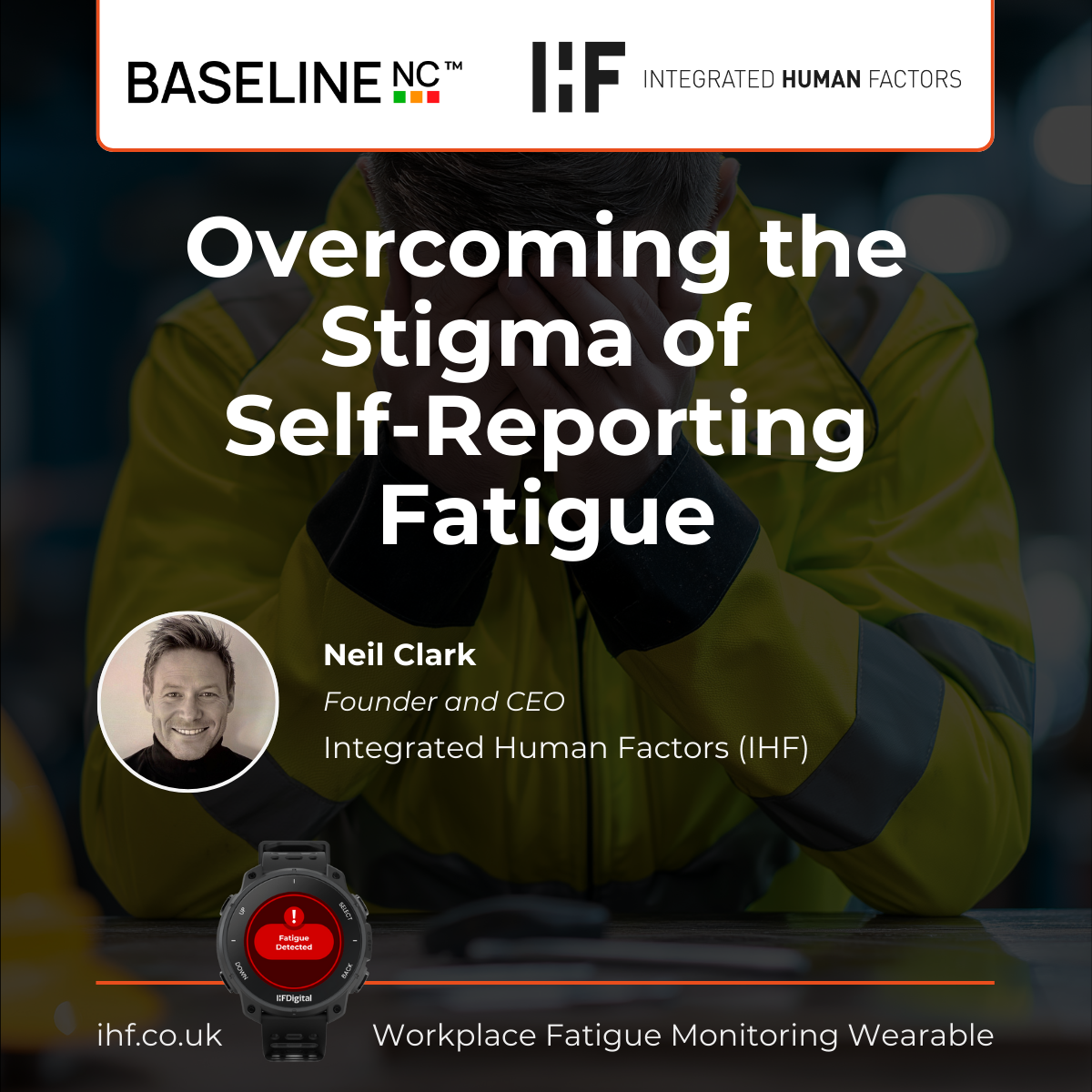
One of the conversations that we have all the time regarding fatigue risk management is the practice of self-reporting fatigue.
This is important, but it takes quite a bit of courage from an individual — or an organisation — to put their hand up and say, “I am fatigued” and/or “you are fatigued”.
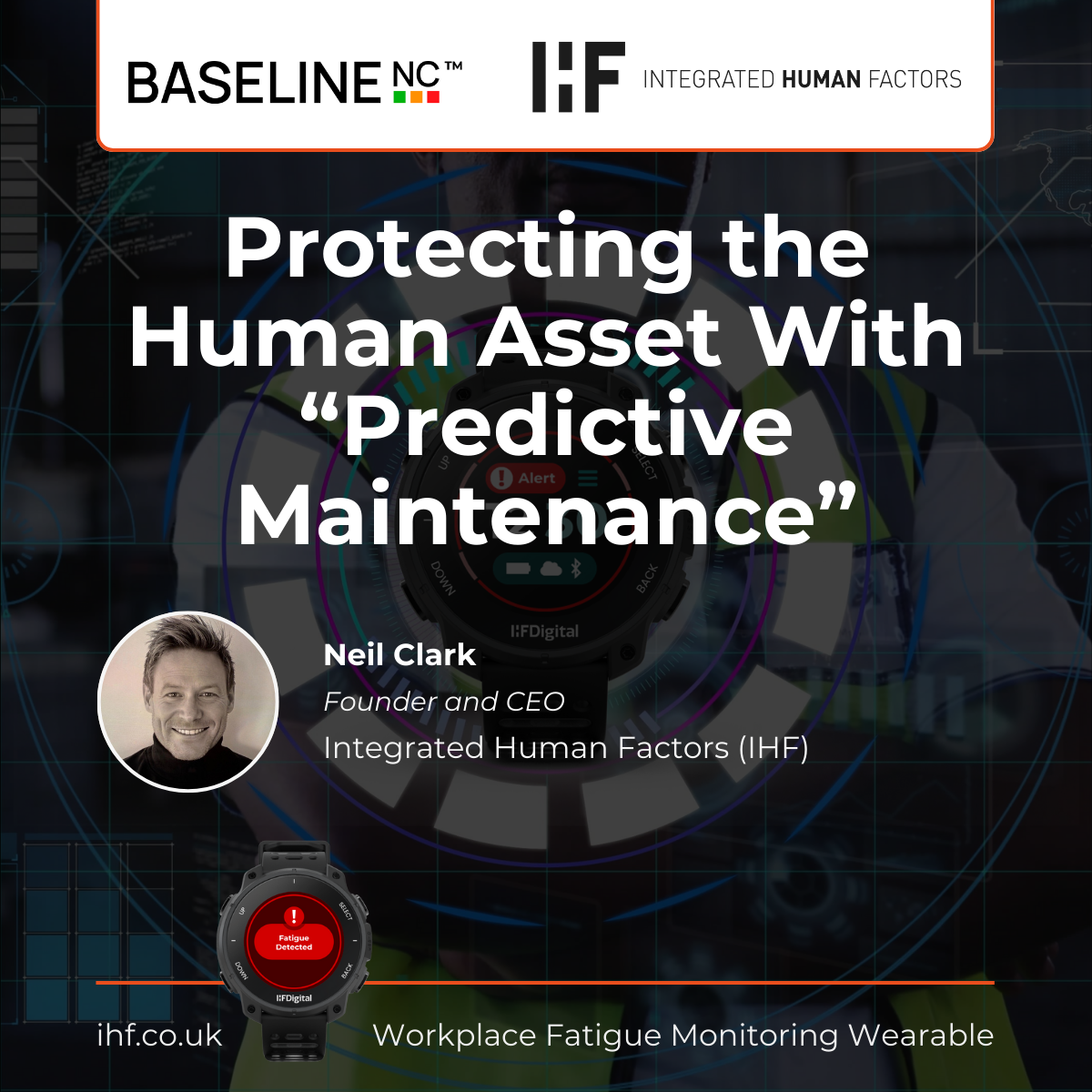
And as a result, take individuals out of the operation — whatever that may be — in order to rest, restore and do some “predictive maintenance” on the human element within a system.
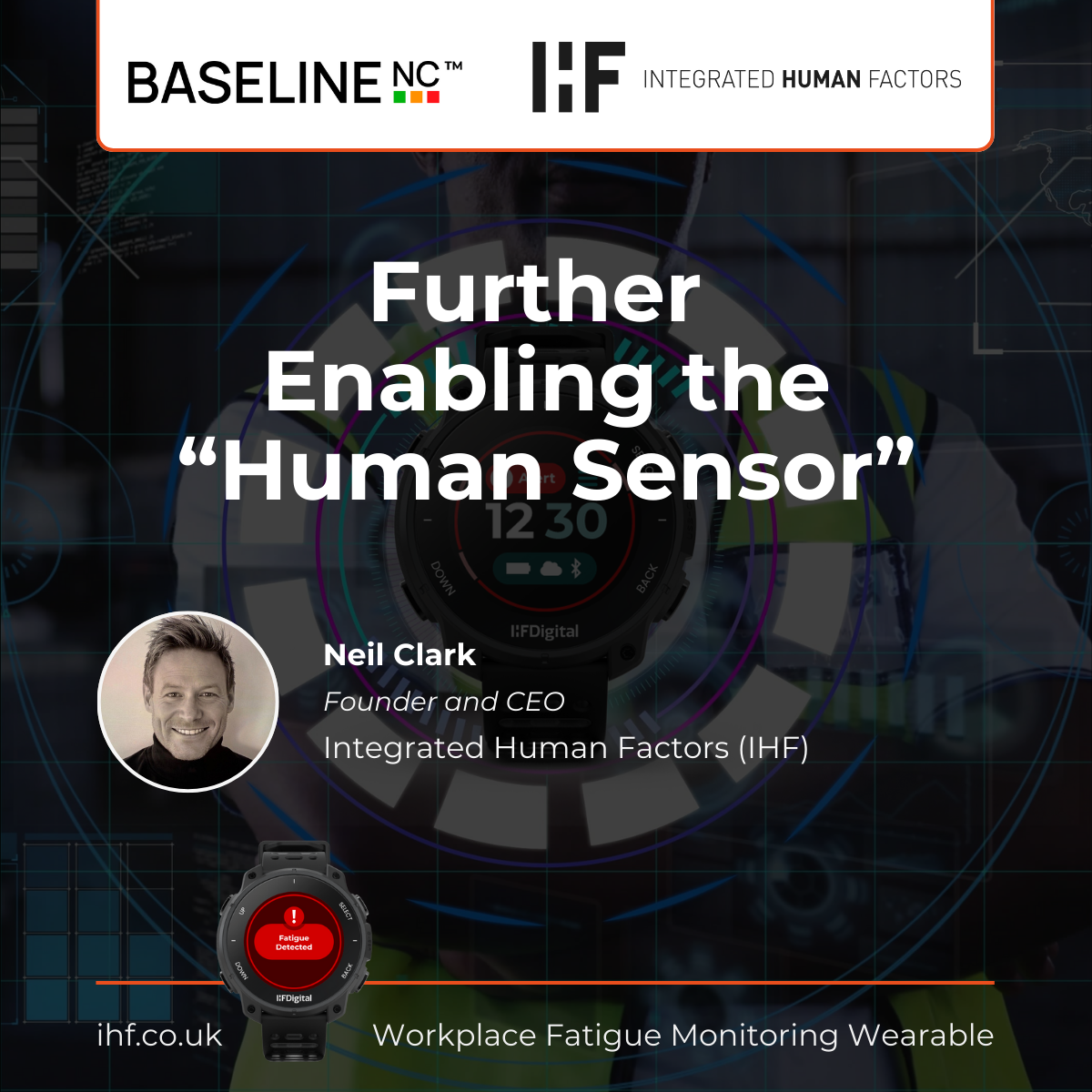
This is one of the many value additions provided by the predictive data-driven aspect of the BaselineNC™ workplace fatigue monitoring wearable.
It cuts through the subjectiveness and self-reporting, and turns measuring and monitoring fatigue into something that is more data-driven, factual and insightful. In relation to this — when using BaselineNC — workers are prompted at various times during a shift to enter a Karolinska Sleepiness Scale (KSS) score, enabling the correlation of real-time objective and intermittent subjective fatigue risk management data.
Ultimately, this helps organisations manage fatigue risk more effectively and enables workers to have better conversations — with less stigma attached — when fatigue onset is objectively detected and/or subjectively self-reported.
Connect with Neil on LinkedIn.
The BaselineNC workplace fatigue monitoring wearable project is also EIT Urban Mobility funded and was recently featured as part of the Impact Stories series: Wearable technology for human error prevention in transportation