One of the things that we experience regularly in the human factors world is working in technical and complex engineering environments.
At IHF, we are never ceased to be amazed at just how many metrics, how many measures and how many systems we have to monitor the technical elements of our system.
What is surprising though is that organisations with these environments can do very little — if anything at all — to monitor the most valuable and yet most vulnerable part of our system, us, the people.
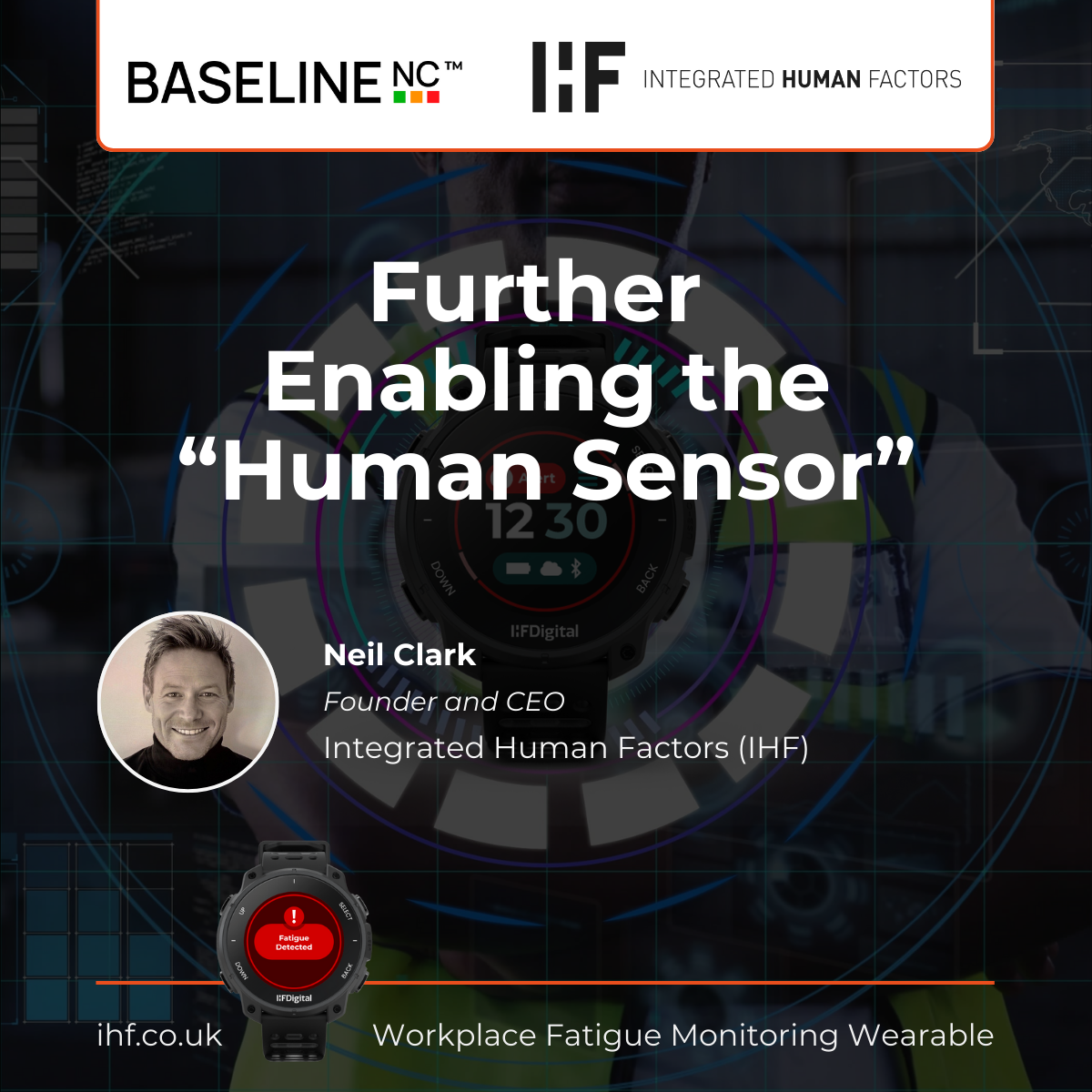
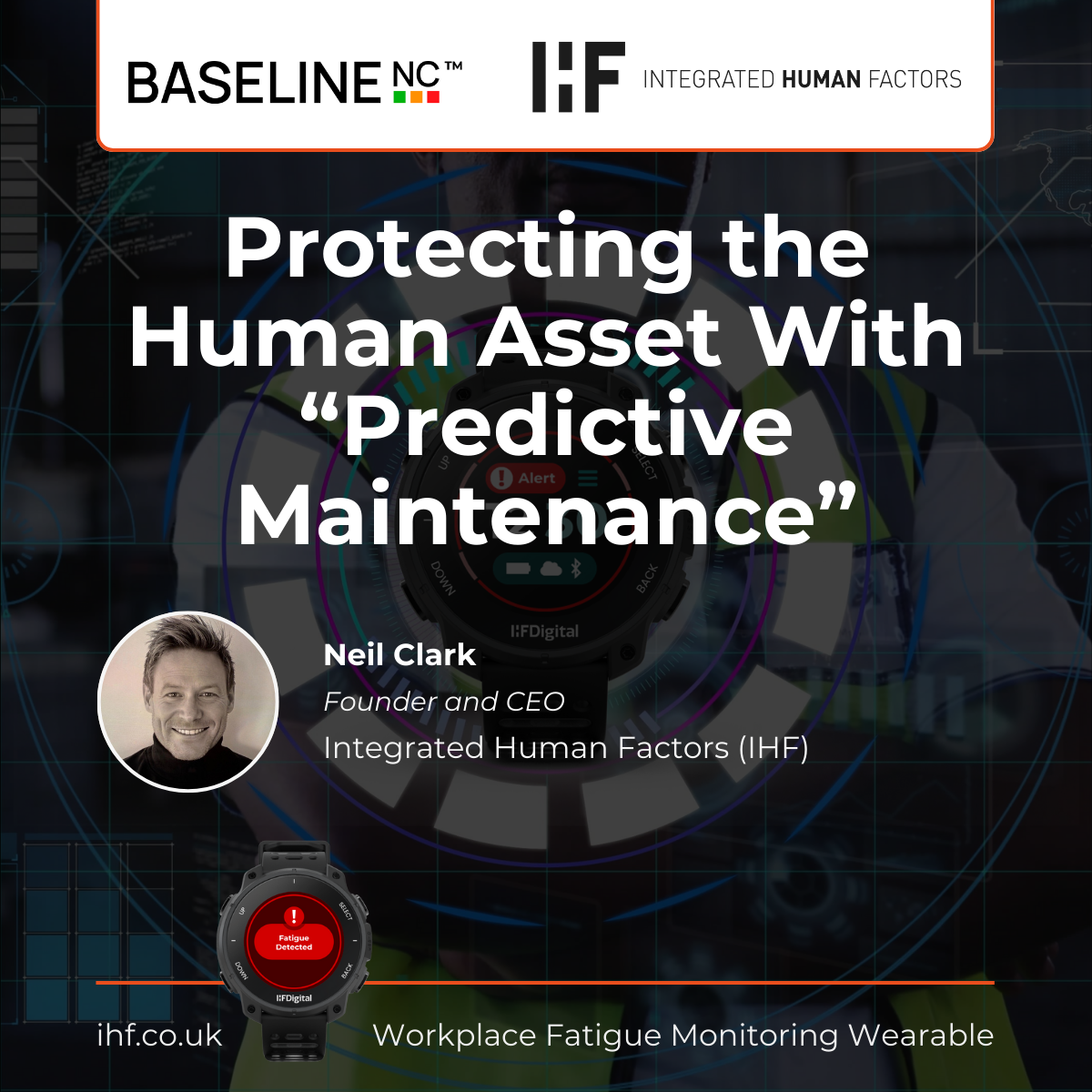
IHF are very interested in enhancing the “human sensor” in safety-critical industrial operations.
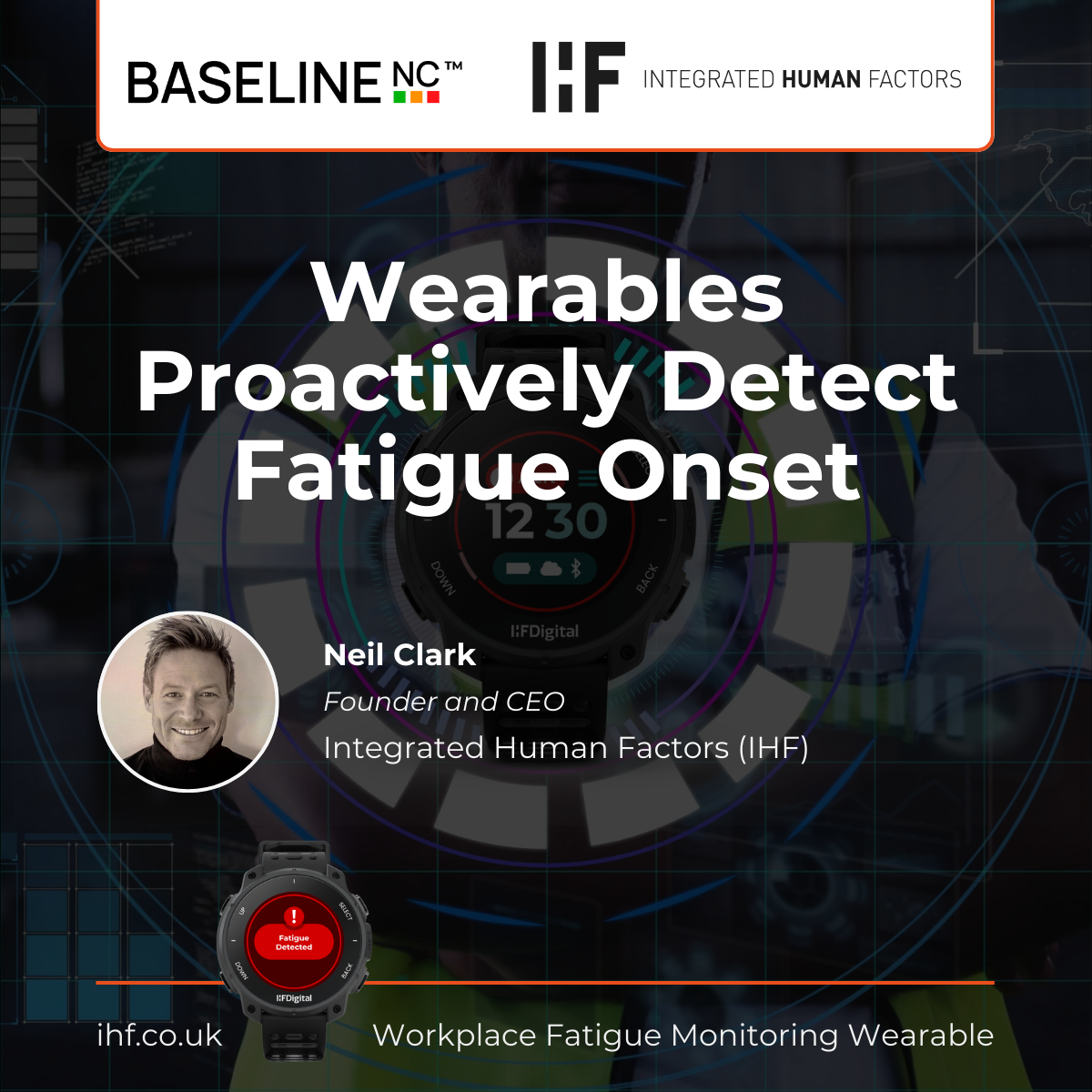
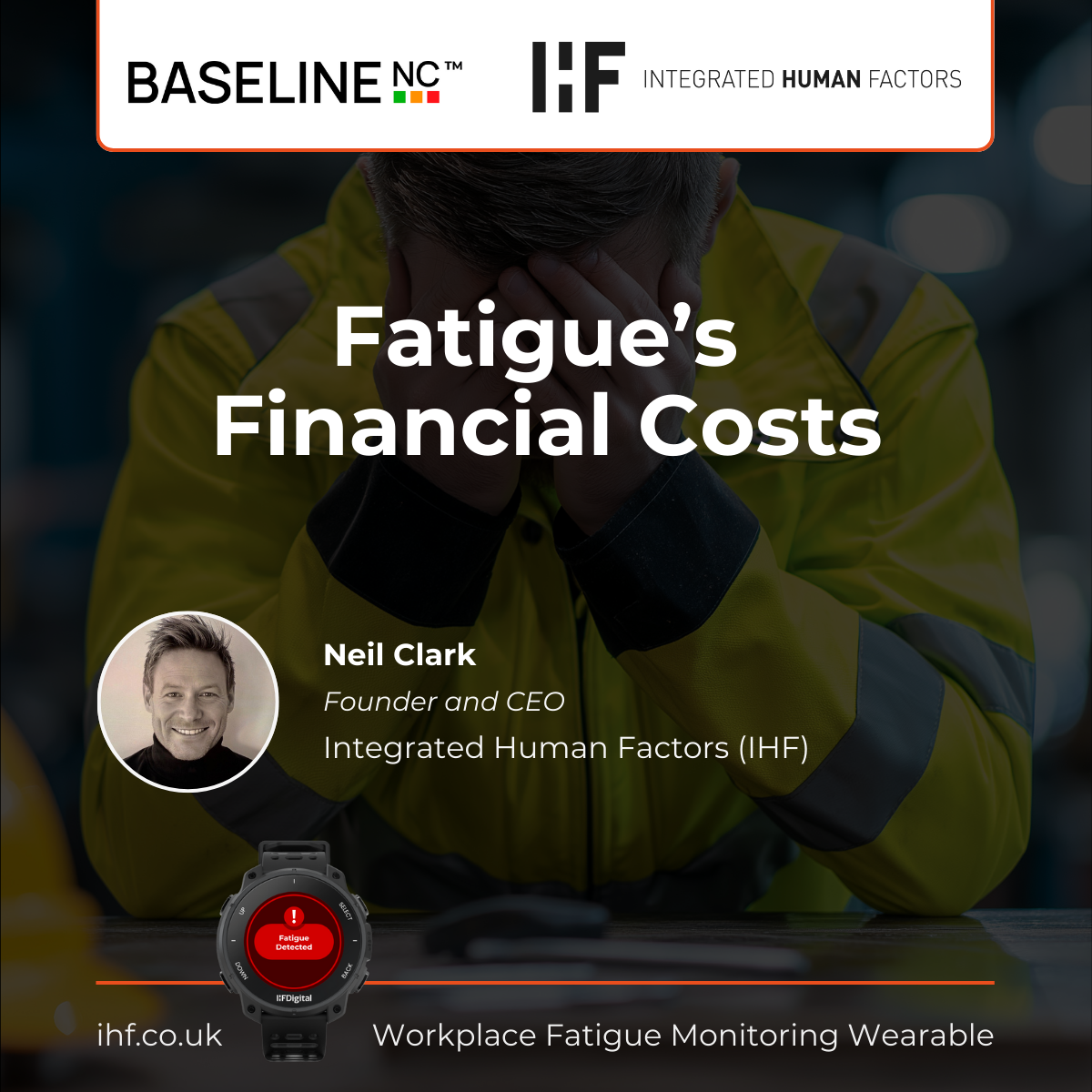
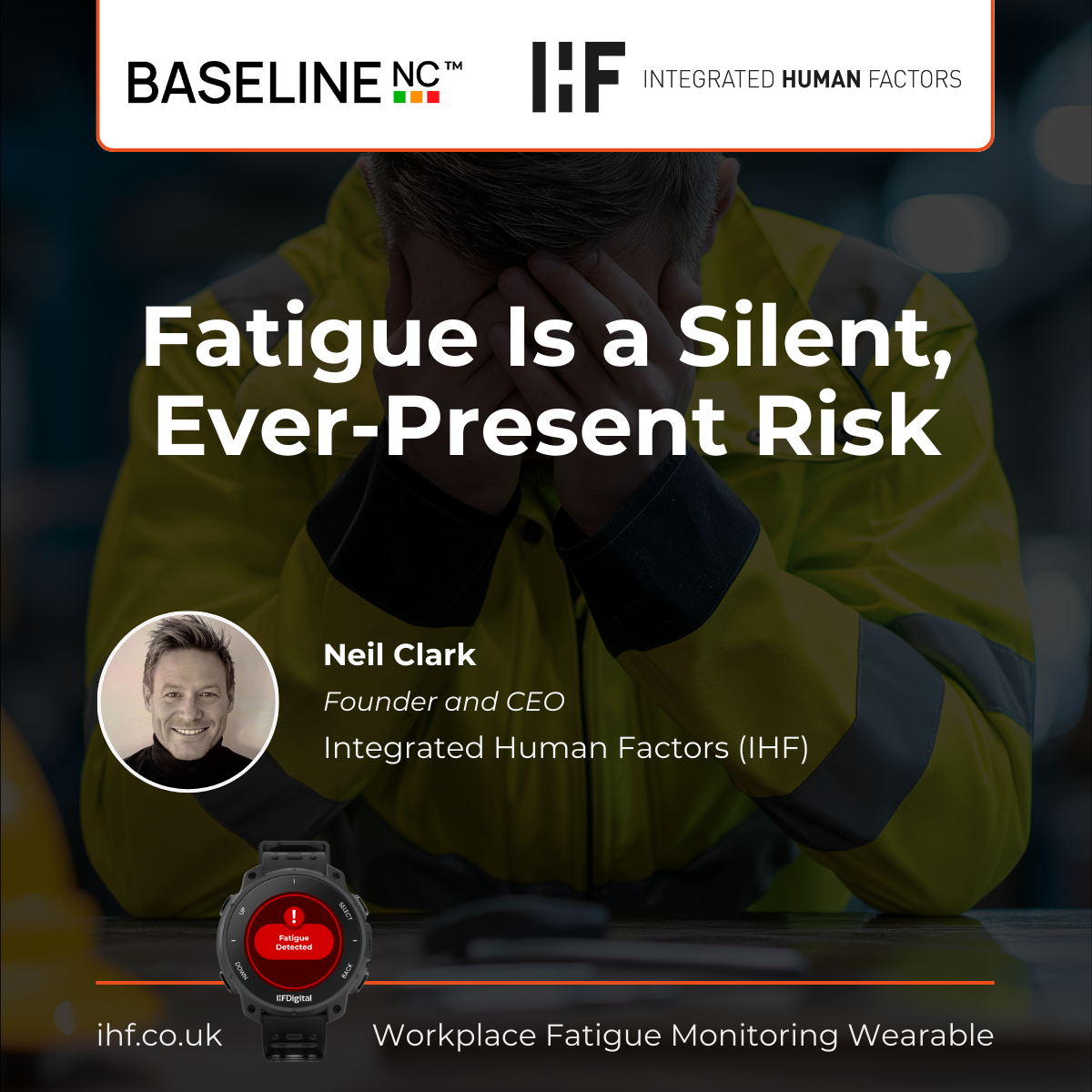
The BaselineNC™ workplace fatigue monitoring wearable enables this further by utilising a “predictive maintenance” approach — that is often utilised in asset performance management (APM) — in relation to the pre-emptive detection of the onset of worker fatigue and heat stress with real-time data collected from an energy-efficient, lightweight, mobile and unobtrusive wrist-worn industrial internet of things (IIoT) device.
This is achieved by utilising predictive analytics — to detect signs of worker fatigue — through real-time monitoring of individual workers baselined biometric data with 98% accuracy (such as blood oxygen saturation, galvanic skin response, heart rate variability (RR), movement patterns using a 6-axis accelerometer and skin temperature).
As a result, we are now able to manage and monitor the most sensitive part of any socio-technical system, the person.
Connect with Neil on LinkedIn.
The BaselineNC workplace fatigue monitoring wearable project is also EIT Urban Mobility funded and was recently featured as part of the Impact Stories series: Wearable technology for human error prevention in transportation